

Reverse mortgages
Unlock the value you’ve built
Turn your home equity into tax-free cash flow
A reverse mortgage lets Canadian homeowners 55+ access their home equity without selling, moving, or making monthly payments. It can be a helpful option to supplement retirement income or cover unexpected expenses while staying in your home.
Freedom and flexibility in retirement
Access your equity without giving up your home
Supplement your retirement income
Add tax-free cash flow to your monthly budget.
Cover unexpected expenses
Handle medical costs or repairs without financial stress.
Help family
financially
Support loved ones while staying in your home.
Eliminate monthly mortgage payments
Live more comfortably by removing your existing mortgage obligation.
What a reverse mortgage really means
The facts behind one of retirement's best kept secrets
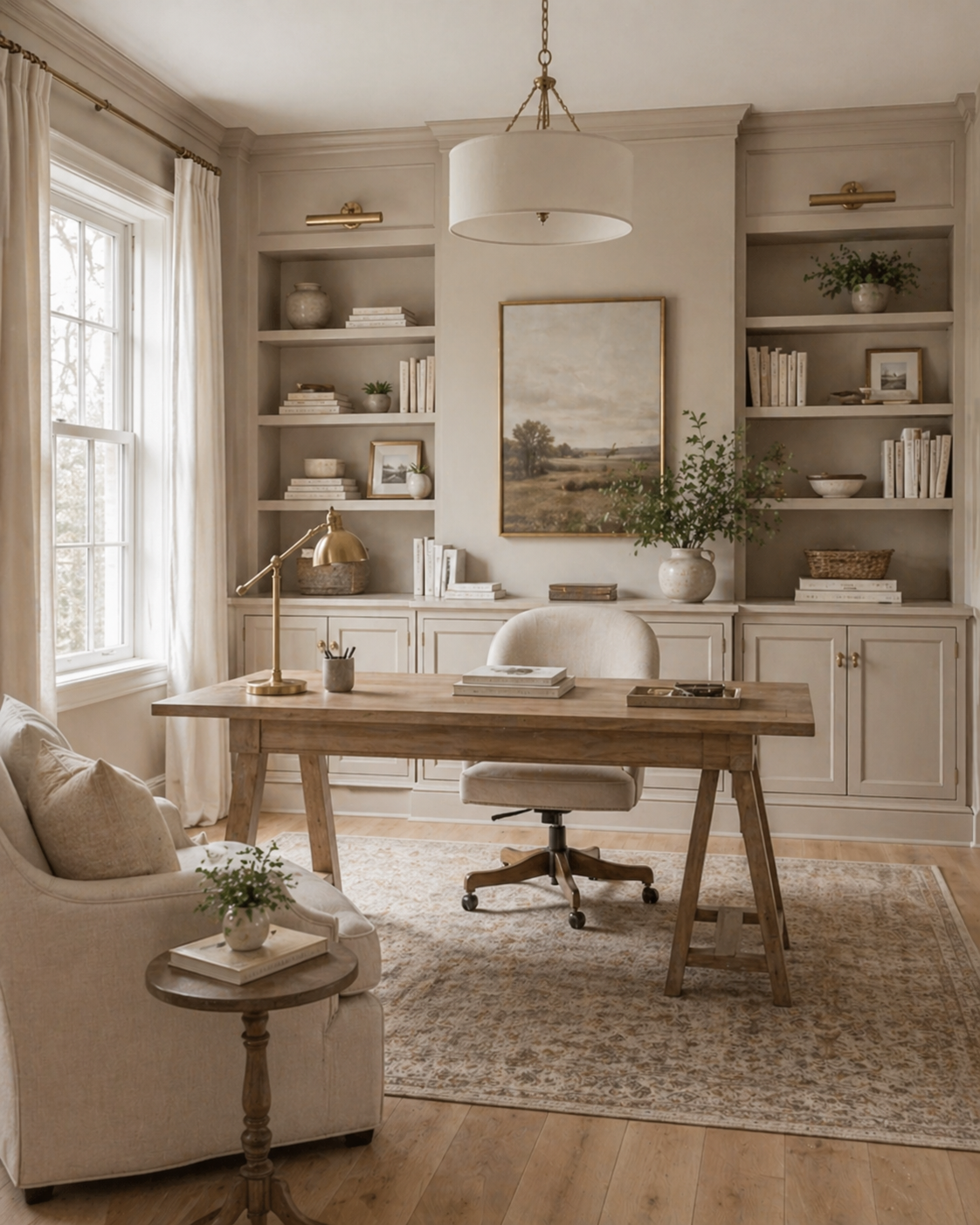
A reverse mortgage lets you access your home equity while staying in your home, with no monthly payments required. The loan is repaid when you sell, move, or pass away, and you keep full ownership.
There are many misconceptions, so I’ll clearly explain how it works, the costs, and any alternatives so you can make an informed decision.
Frequently asked questions
Honest answers to the questions we hear most about reverse mortgages!
-
To qualify for a reverse mortgage in Canada, you must be at least 55 years old and the home must be your primary residence. Both you and any co-owners on title must meet the age requirement. The amount you can access depends on your age, your home's appraised value, and its location.
-
No. One of the key features of a reverse mortgage is that there are no required monthly payments. The interest accrues over time and the full balance, including interest, is repaid when you sell the home, move out permanently, or the last borrower passes away.
-
In Canada, you can typically access up to 55% of your home's appraised value through a reverse mortgage, though the exact amount depends on your age, the property type, and its location. I will help you understand what you are likely to qualify for based on your specific situation.
-
When the home is sold or the last borrower passes away or permanently moves out, the reverse mortgage balance including any accrued interest becomes due. In most cases, the loan is repaid from the proceeds of the home sale, and any remaining equity goes to you or your estate.
-
Yes, you retain full ownership of your home throughout the life of the reverse mortgage. You are free to live in it, maintain it, and make decisions about it just as you always have, as long as you continue to meet the basic obligations of the loan such as keeping up with property taxes and home insurance.
-
Yes, and I will always make sure we explore them together. Depending on your situation, options like a home equity line of credit, downsizing, or refinancing may also be worth considering. A reverse mortgage is a powerful tool for the right person, but my goal is always to make sure you are choosing the option that genuinely serves you best.

Wondering if a reverse mortgage is the right fit for you?
Let's have an honest conversation about your options and what makes sense.